

MDR vs EDR: What Your Internal IT Team Actually Needs
MDR vs EDR comes down to software versus people. Here is what each one does, why a small internal IT team can run EDR but can't watch alerts all night, and how co-managed IT splits the work.
MDR vs EDR comes down to software versus people. Here is what each one does, why a small internal IT team can run EDR but can't watch alerts all night, and how co-managed IT splits the work.

Nearly 500 new vulnerabilities a day, attacks within days of disclosure, and a PHP flaw exploited before the patch shipped. Why monthly patching no longer holds up, and why we are moving client devices to daily patching.

DNS filtering stops known-bad sites before a connection starts. In co-managed IT the harder part is deciding who approves allow-list requests, who reads the logs, and who closes the bypasses.

The typos are gone. The voice on the voicemail is yours. October is Cybersecurity Awareness Month, and the scams aimed at practices no longer look like scams. Here’s what changed and the one verification rule that survives a convincing fake.

Records to the specialist, a referral to the oral surgeon, an X-ray to a patient who asked — all sent by email, all unencrypted, all normal. Here are three ways patient data leaks through the inbox, and how to fix it by policy instead of memory.
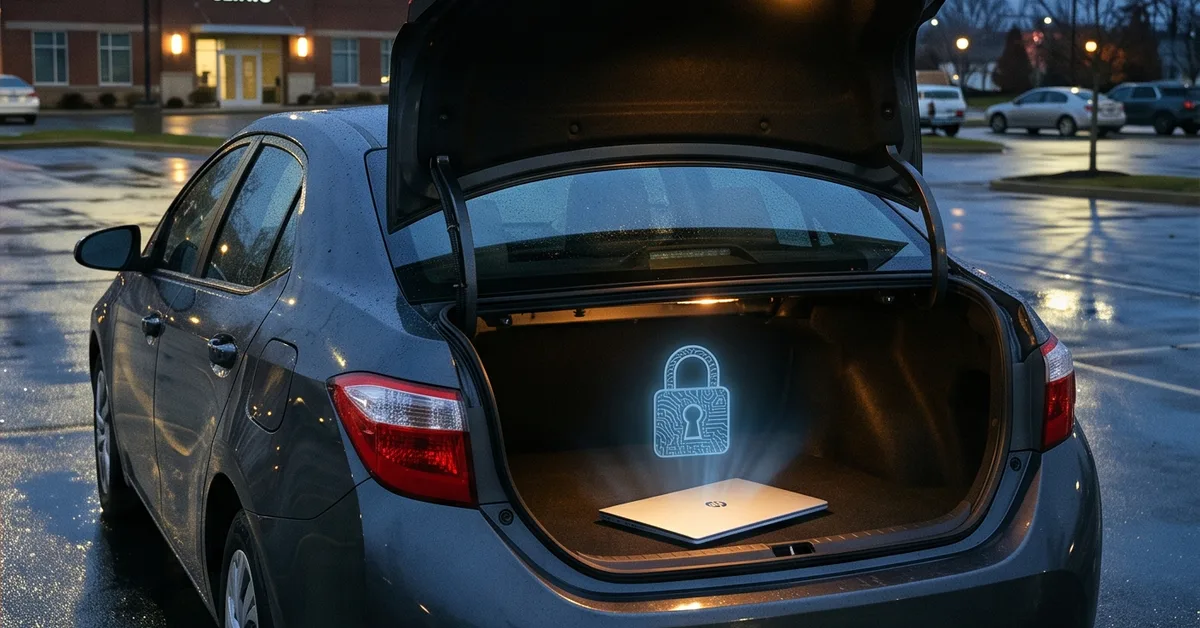
A laptop gets stolen from a car after clinic hours. What happens next — a lost device or a reportable breach — depends on one setting most practices have never verified. Here’s what encryption actually does, and what it doesn’t.