
Below the Rapids
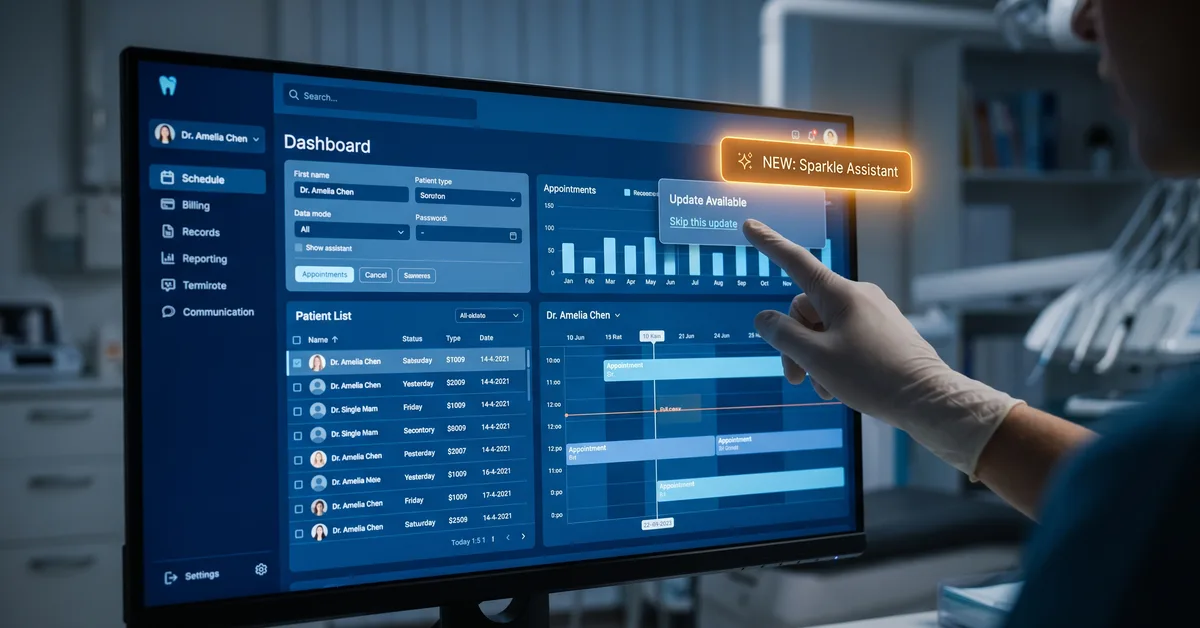
Your Practice Software Just Added AI. Did Anyone Read the Update?
A new sparkle icon appeared in your practice-management system after last month’s update, and it’s already summarizing patient notes. Nobody chose that. Here are four things that changed when your vendor added AI, and the questions to ask before you keep using it.

AI Makes Phishing Sound Like Your Office Manager
The typos are gone. The voice on the voicemail is yours. October is Cybersecurity Awareness Month, and the scams aimed at practices no longer look like scams. Here’s what changed and the one verification rule that survives a convincing fake.

Email Is Still How Patient Data Leaks
Records to the specialist, a referral to the oral surgeon, an X-ray to a patient who asked — all sent by email, all unencrypted, all normal. Here are three ways patient data leaks through the inbox, and how to fix it by policy instead of memory.

Encryption Is Turned On. Can You Prove It?
“Yes, our devices are encrypted” is an easy thing to say and a hard thing to show. Here’s what managed encryption means, the three moments you’ll be asked for proof, and what a report worth handing over looks like.
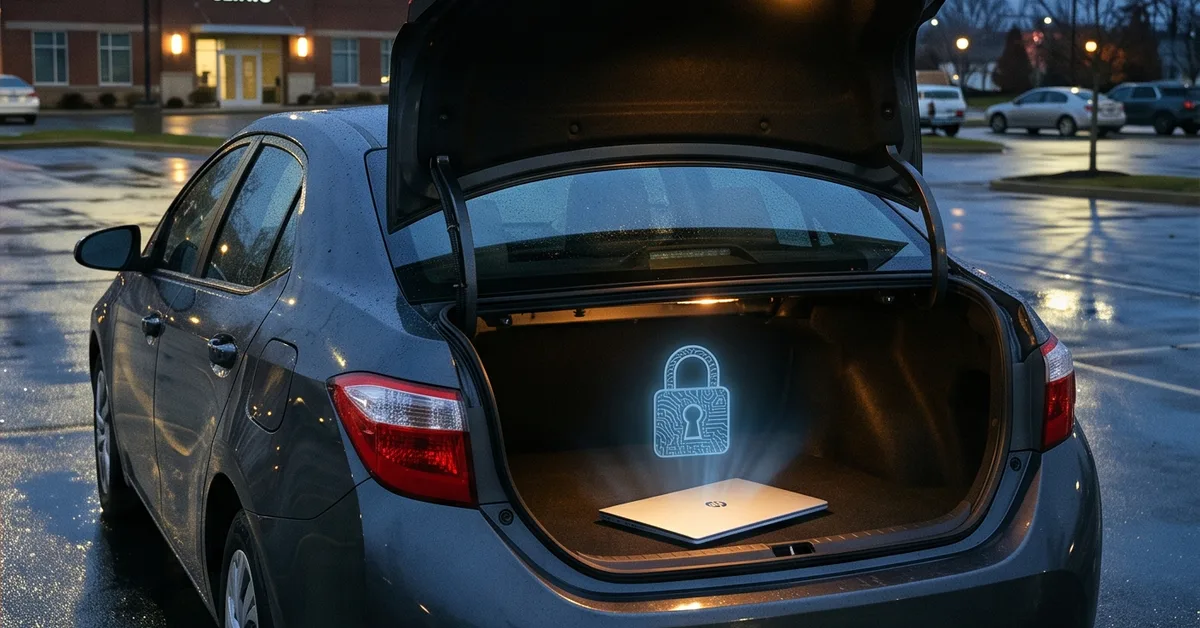
The Laptop in the Trunk: What Encryption Actually Protects You From
A laptop gets stolen from a car after clinic hours. What happens next — a lost device or a reportable breach — depends on one setting most practices have never verified. Here’s what encryption actually does, and what it doesn’t.
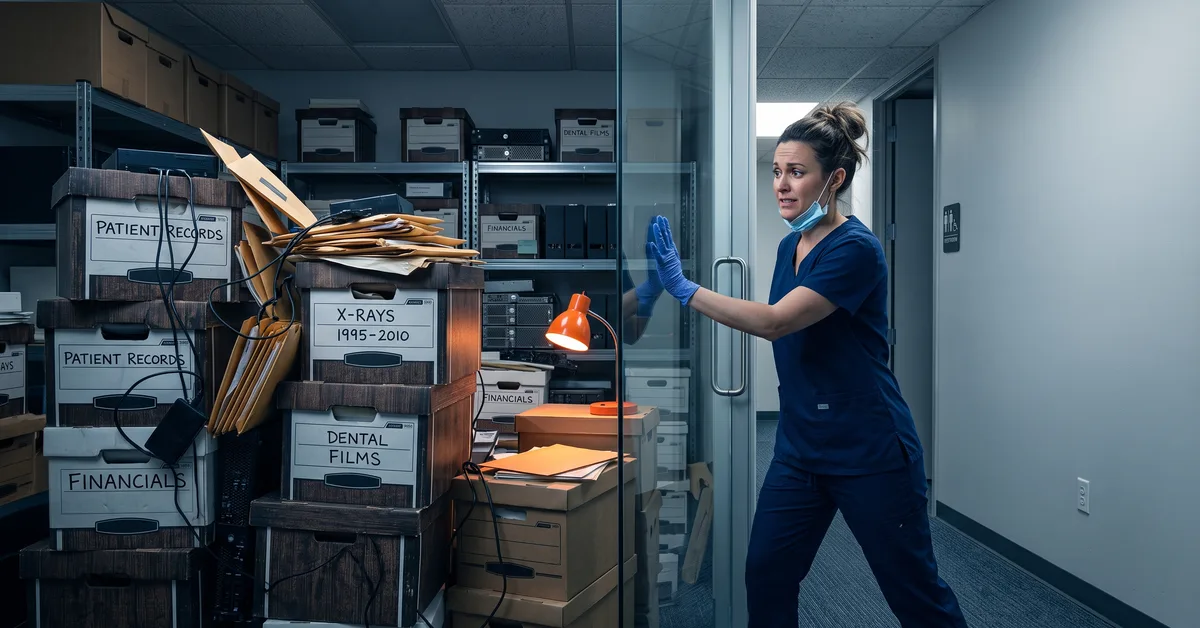
“Keep It Forever” Is Not a Retention Policy
Most practices never delete anything, and it feels like the safe choice — until every old record becomes something you have to protect, back up, and disclose in a breach. Here’s what a retention schedule you can actually follow looks like.